
Screen Printing and Pad Printing in Sri Lanka
Explore screen and pad printing for branding selected apparel, packaging and promotional items. Screen printing can suit repeat designs on suitable flat areas, while pad printing is used for selected smaller, curved or irregular surfaces. Share the item, material, artwork and quantity so the process can be assessed.
Filters
2 products
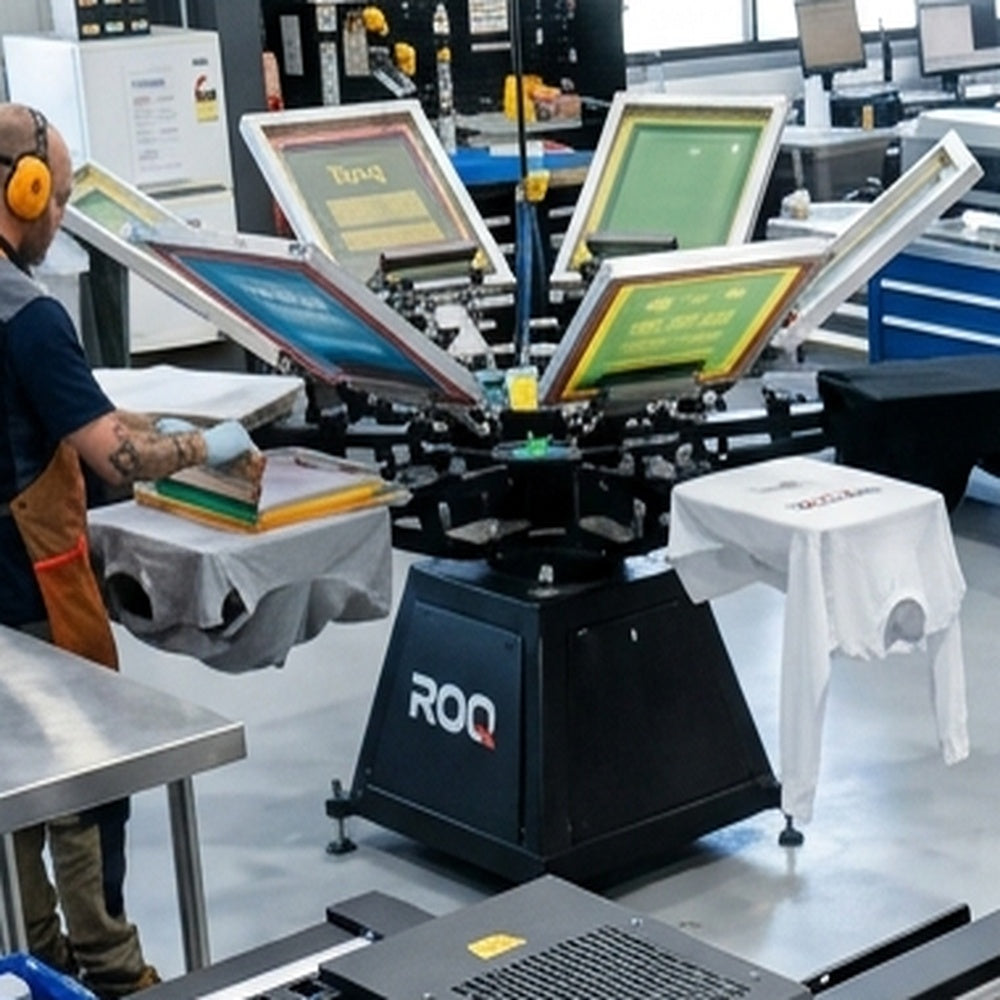
Learn more about Screen & Pad Printing
Choosing between screen printing and pad printing
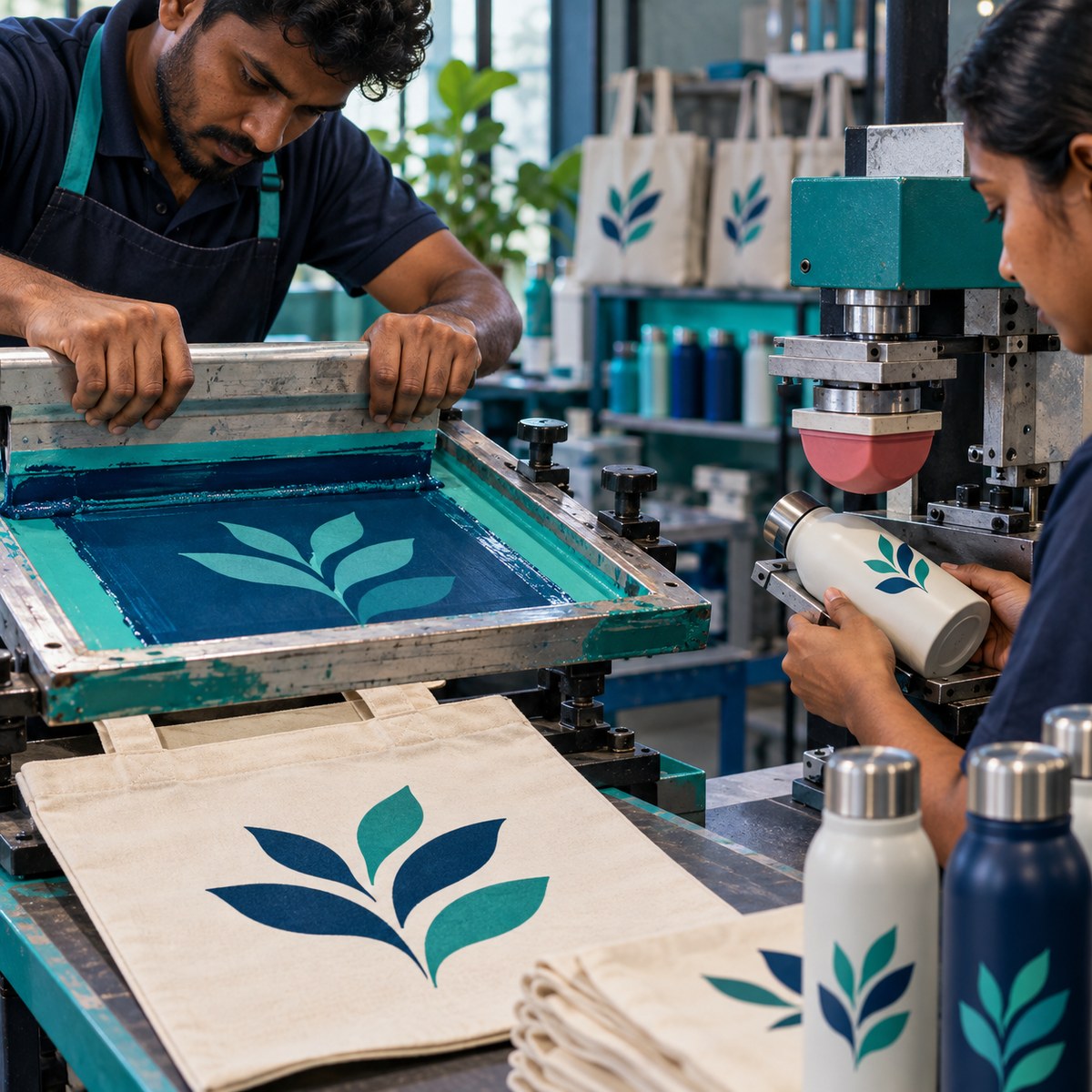
Screen printing and pad printing transfer ink in different ways and are suited to different product shapes. The appropriate method depends on the item's surface, material, print area, artwork and order quantity. WinPro Lanka's specialist collection provides an enquiry route for both processes without assuming that every design or substrate will suit the same method.
Screen printing
Screen printing is commonly considered for repeat branding on suitable apparel, bags, paper, board and selected rigid items. The number of colours, print positions, artwork detail and material can affect how a job is prepared and quoted.
Pad printing
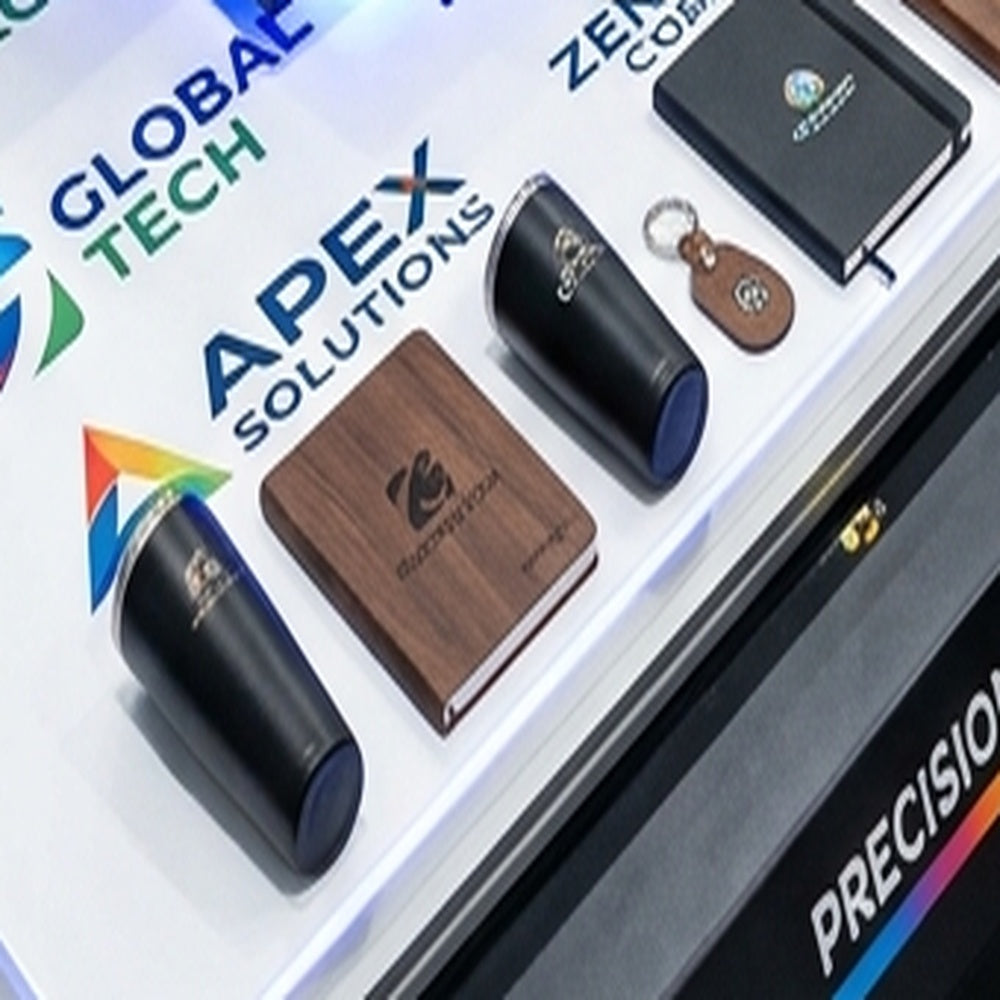
Pad printing is used for selected logos or markings on smaller curved, cylindrical or irregular items, such as pens and some promotional products. The available print area and the surface material need to be checked before the method is confirmed.
Prepare the item and artwork details
- Item type, material, colour and dimensions.
- Artwork file, required print size, colours and positions.
- Quantity and whether every item uses the same design.
- Required date and any packaging or individualisation needs.
Use the item shape to guide the print method
Screen printing transfers ink through a prepared screen and is often considered for repeat artwork on suitable flat or broadly printable areas. Pad printing transfers a smaller image through a flexible pad and can suit selected curved, cylindrical or irregular products. The item shape is only one factor: substrate, coating, artwork colours, print size, position and quantity all affect feasibility. An actual item or exact technical specification may be required before either method is confirmed.
When screen printing may fit
The current screen-printing listing covers applications such as corporate apparel, bags, paper, board, packaging and selected rigid surfaces. It can be relevant when the same design repeats across a planned quantity and the printable area suits the process. Each artwork colour and position can influence preparation, so identify the exact number of colours and locations. For garments, include fabric and size information; for packaging or rigid items, include material, coating and dimensions.
When pad printing may fit
Pad printing is commonly considered for smaller logos or marks on selected pens, device accessories, keyrings, drinkware components and other shaped promotional items. The available print area may be much smaller than the visible face of the product, and seams, tapers, clips or texture can restrict placement. Supply the actual item or manufacturer drawing where possible and mark the intended position rather than relying on a general product photograph.
Prepare artwork for repeat production
Vector artwork with outlined fonts gives the production review a clearer starting point. Specify spot colours or approved brand references, final print dimensions and whether the same design appears in more than one position. Very fine lines, tiny reversed text and complex tonal effects may need adjustment for the selected item and process. If several product colours are involved, consider whether the same ink treatment remains readable on each background.
- Exact item, material, coating, colour, dimensions and quantity.
- Flat, curved or irregular print area with a marked position.
- Vector logo, final size, colour references and number of print positions.
- Any design or recipient variations within the order.
- Required date and a physical sample or specification where requested.
Confirm suitability before choosing by price alone
The lowest-cost process is not useful if the artwork does not fit the surface or the material cannot accept it reliably. Ask which method is recommended for the exact product, what setup the artwork requires, what area can be printed and what sample or approval step is appropriate. For textiles needing DTF, transfer, sublimation or embroidery, use the apparel branding collection so those methods are compared in the correct context.
For DTF, transfer or embroidered textiles, visit apparel printing and embroidery. For screen or pad printing, send the item specification and artwork for assessment. Request a custom quote.