Apparel branding methods for different designs
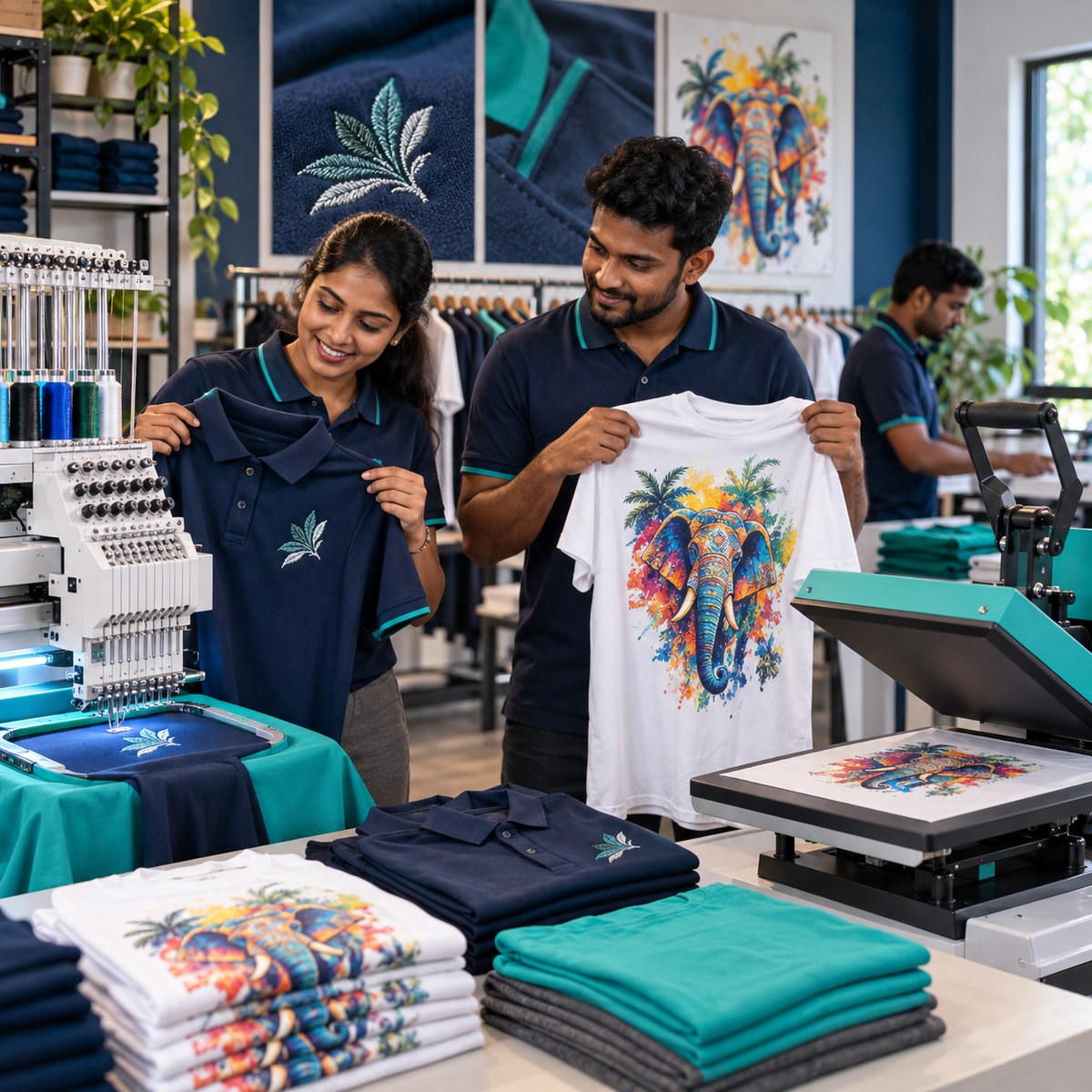
The best apparel branding method depends on the artwork, fabric, item shape, quantity and required finish. WinPro Lanka's current service collection includes direct-to-film printing, heat transfer, sublimation and computerised embroidery. These methods create different visual and tactile results, so the garment and design should be reviewed together before production is quoted.
DTF, heat transfer and sublimation
Transfer-based methods can reproduce coloured graphics and fine design details on suitable textiles or coated items. The correct choice depends on the fabric composition, colour, print area and artwork. Share the actual garment specification where possible so compatibility can be confirmed.
Computerised embroidery
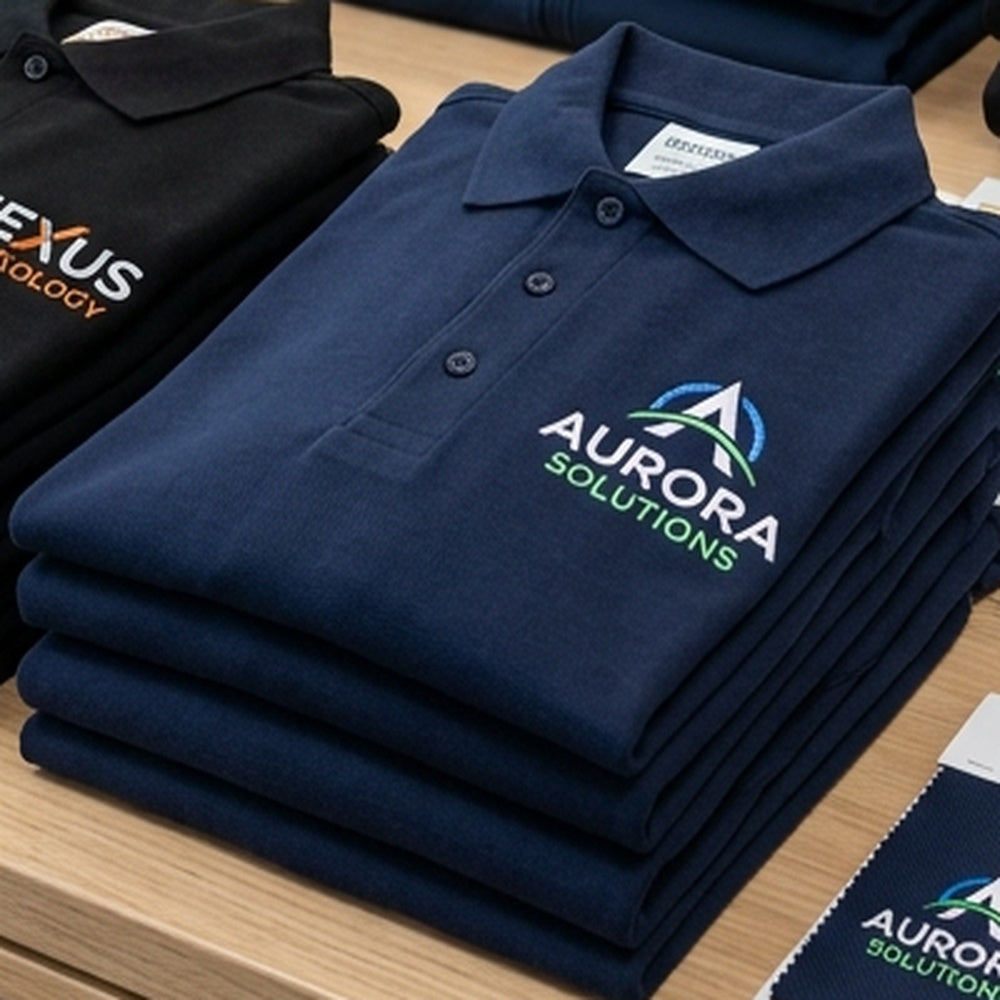
Embroidery creates a stitched finish for suitable uniforms, shirts, caps and other textile items. Logo detail, lettering size, thread colours, placement and fabric structure all influence the result and should be assessed as part of the order brief.
What to include in an apparel printing enquiry
- Garment or textile type, fabric composition and colour.
- Quantity and size breakdown where relevant.
- Logo or artwork file, print dimensions and preferred position.
- Required date and any packaging or individual-name requirements.
Match the process to the fabric and artwork
A method should be selected only after the garment and design are known. DTF can be considered for detailed, multi-colour graphics on suitable textile items. Heat-transfer approaches can support selected logos, names or graphics where the material and application are compatible. Sublimation is relevant to suitable polyester or coated products, while embroidery builds the design with thread. Screen printing may be a separate option for repeat artwork and is covered in WinPro Lanka's screen and pad printing collection. None of these methods is automatically right for every fabric.
DTF and transfer-based branding
For DTF or heat-transfer work, identify the garment type, fabric composition, colour and exact print position. Dark garments, seams, pockets, zips and textured surfaces can affect the available print area. Supply artwork at the intended proportions and state the required dimensions rather than asking for an undefined large or small logo. If the same design is used across several garment sizes, confirm whether one print dimension will work for all sizes or whether placements need to vary.
Embroidery and stitched identity
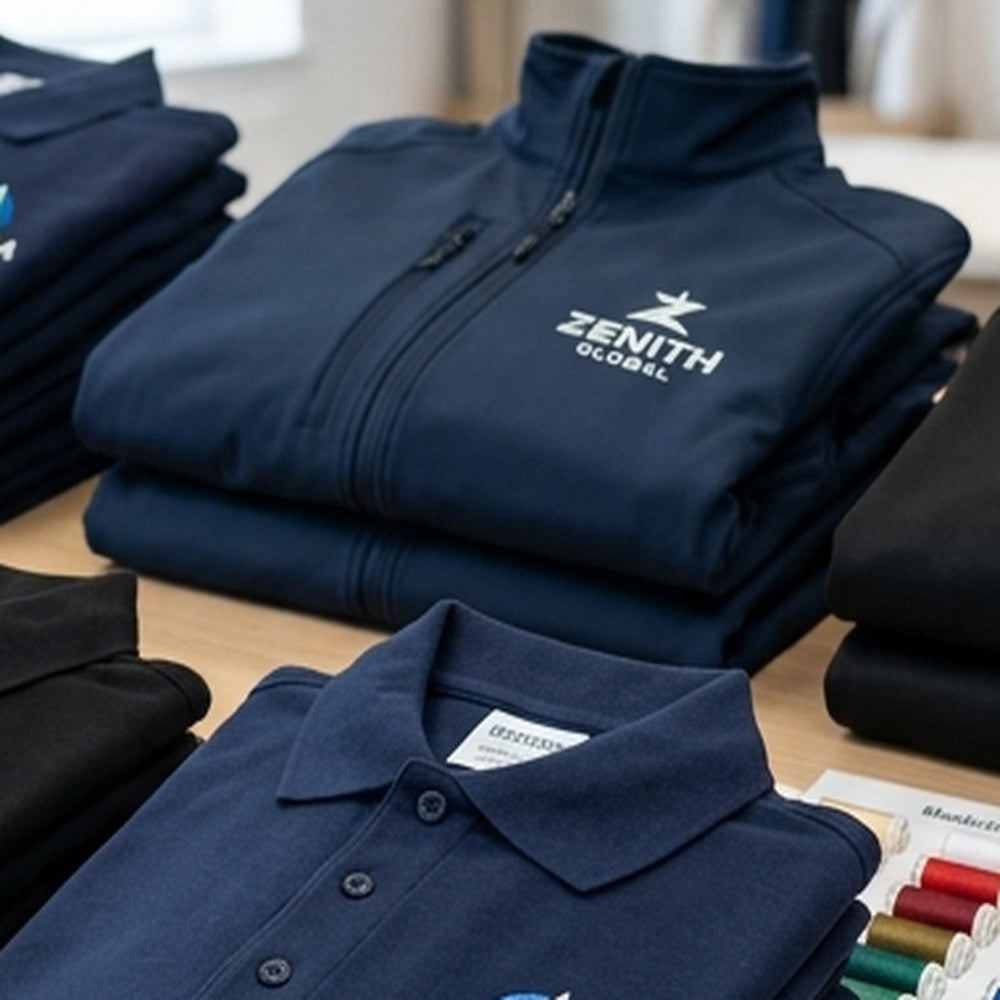
Embroidery can suit corporate shirts, polos, caps and other compatible textiles where a stitched finish is preferred. Fine text, gradients and very small details may need to be simplified for clean stitching. The fabric weight and structure should also support the chosen design and position. Provide the original logo, preferred thread colours, size and location, then confirm the final embroidery interpretation before approving the order.
Build a complete apparel branding specification
A quote needs more than a logo. List the garment source, style, fabric, colour and quantity by size. Mark every branding position—such as chest, sleeve, back or cap front—and include the dimensions required at each position. Explain whether all items use one design or whether names, numbers, departments or sponsor marks vary. If WinPro Lanka is expected to review a supplied garment, provide an actual sample or exact manufacturer specification where requested.
- Garment or textile type, fabric composition, colour and source.
- Quantity by size and any variations between departments or recipients.
- Vector artwork, print or embroidery dimensions, colours and positions.
- Individual names or numbers supplied in a checked, final list.
- Required date, use case and packaging or labelling requirements.
Questions to confirm before production
Ask which method is suitable for the supplied fabric, how the artwork must be prepared, what branding area is available and whether a physical garment needs assessment. Confirm the approved colour, dimensions, position and quantity in writing. Care instructions should follow the final garment and applied method rather than a generic rule. For packaging, garment tags or event identification supplied alongside apparel, prepare those as separate specifications and link them to the same campaign brief.
For larger repeat designs or other promotional items, compare our screen and pad printing services. Send the full apparel brief for a project-specific recommendation and quotation. Request a custom quote.